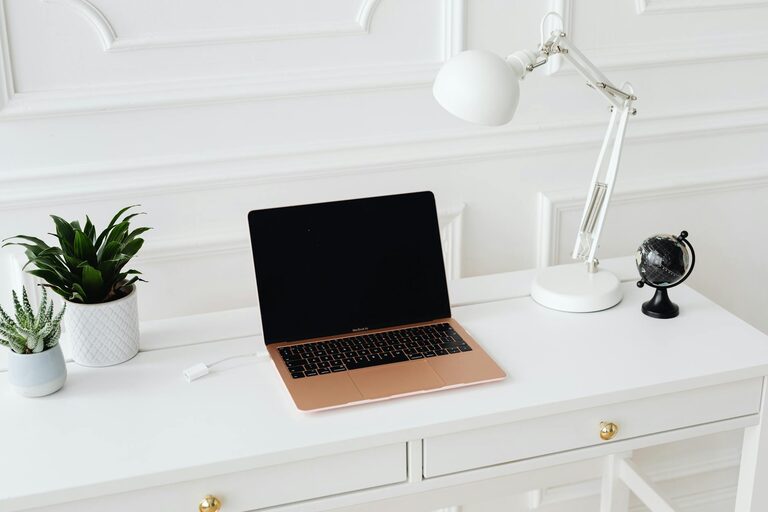

Creating a productive home office space is essential for anyone who works remotely or spends a significant amount of time working from home. A well-designed workspace can not only improve your focus and efficiency but also help maintain a healthy work-life balance. In this post, we’ll explore practical tips to help you set up a home office that encourages productivity and comfort.
1. Choose the Right Location
Selecting the best spot for your home office is the first step toward a productive workspace. Ideally, your office should be in a quiet area with minimal distractions. A separate room is perfect, but if space is limited, consider a dedicated corner away from household traffic.
Consider Natural Light
Position your desk near a window when possible. Natural light boosts mood and energy, which can improve concentration and reduce eye strain. If natural light is limited, use bright, adjustable lighting to keep your space well-lit.
2. Invest in Comfortable, Functional Furniture
Your furniture plays a key role in both comfort and productivity. Choose a sturdy desk with enough surface area for your computer, notebooks, and other essentials.
Ergonomic Chair
An ergonomic chair supports good posture and reduces back pain during long work hours. Look for chairs with adjustable height, lumbar support, and comfortable cushioning.
Desk Setup
Position your monitor at eye level to avoid neck strain, and keep frequently used items within easy reach. Consider accessories like a keyboard tray or monitor stand to optimize ergonomics.
3. Organize and Declutter
A tidy workspace helps clear your mind and reduce distractions. Keep only the essentials on your desk and use storage solutions like shelves, drawers, or filing cabinets to organize papers and supplies.
Use Cable Management
Tidy up cables and cords with clips or sleeves to prevent tangles and keep your desk neat. This small step can make a big difference in maintaining an organized workspace.
4. Personalize Your Space
Adding personal touches to your home office can make it a more enjoyable place to work. Use plants, artwork, or inspiring quotes to create a welcoming environment that reflects your personality.
Keep It Minimal
While personalization is important, avoid excessive decorations that can become distracting. Aim for a balance between a professional and comfortable setting.
5. Minimize Distractions
Distractions are the enemy of productivity. To focus better, create a plan for managing interruptions.
Set Boundaries
Communicate your work hours with family or roommates to minimize disruptions. Use noise-canceling headphones or white noise machines if background noise is a problem.
Manage Digital Distractions
Turn off non-work notifications and use apps that block distracting websites during work hours. Scheduling specific times to check emails can also help maintain focus.
6. Incorporate Break Areas
Working continuously without breaks can lead to burnout. If space allows, designate a small area for short breaks, like a comfy chair or corner with a few books or magazines.
Move Around
Stand up, stretch, or take a short walk regularly to reduce physical strain and refresh your mind.
7. Optimize Technology and Connectivity
Reliable technology and internet access are crucial for smooth remote work.
Equipment Check
Ensure your computer, printer, and other devices are up to date and functioning properly. Keep chargers and backup devices handy.
Internet Connection
A strong and stable internet connection reduces frustration and improves communication during meetings and tasks.
8. Set a Routine
Establishing a daily routine helps create structure and signals to your brain when it’s time to work. Start and end your day consistently, take planned breaks, and stick to a schedule that fits your lifestyle.
Use a Planner or Digital Calendar
Scheduling tasks and deadlines keeps you organized and accountable throughout the day.
—
Conclusion
Creating a productive home office space involves thoughtful planning and attention to comfort, organization, and personalization. By choosing the right location, investing in ergonomic furniture, minimizing distractions, and establishing a clear routine, you can build a workspace that supports your best work. Remember, your home office should inspire focus and well-being, helping you stay motivated and efficient every day.
About the Author