
Creating a relaxing home environment is essential for improving your overall well-being. When your living space promotes calm and comfort, it can help reduce stress, improve sleep, and boost your mood. Fortunately, you don’t need to make drastic changes or spend a lot of money to create a soothing atmosphere at home. This guide provides easy and practical ways to turn your space into a relaxing retreat.
Why a Relaxing Home Environment Matters
Our homes are where we spend a significant portion of our time, so it’s important that they support relaxation and rest. A well-designed, clutter-free, and peaceful environment can:
– Lower anxiety and stress levels
– Improve focus and productivity
– Enhance sleep quality
– Encourage mindfulness and self-care
By intentionally creating a calming space, you promote a lifestyle that prioritizes your mental and emotional health.
Declutter and Organize Your Space
One of the simplest ways to create a relaxing home is to declutter. Clutter can cause feelings of overwhelm and distraction. Here are some tips to help:
– Start small: Choose one area, such as a shelf or a drawer, and clear out anything you don’t use or need.
– Organize thoughtfully: Use baskets, bins, or shelves to keep items neat and easy to find.
– Maintain regularly: Schedule weekly or monthly tidy-ups to prevent clutter buildup.
A clean and organized space helps the mind rest and focus on what truly matters.
Use Soothing Colors and Soft Textures
Colors and textures strongly affect our mood and perception of a space. Choose calming hues and cozy materials to enhance relaxation.
– Colors: Soft neutrals like beige, light gray, or pastel blues and greens are known for their calming effects.
– Fabrics: Incorporate plush blankets, soft pillows, and comfortable rugs to add warmth and comfort.
– Balance: Use pops of gentle colors in accents like curtains, cushions, or artwork without overwhelming the room.
Creating a visually peaceful environment helps your brain settle and de-stress.
Bring Nature Indoors
Nature has a natural calming effect, so adding elements from the outdoors can improve your home’s peaceful vibe.
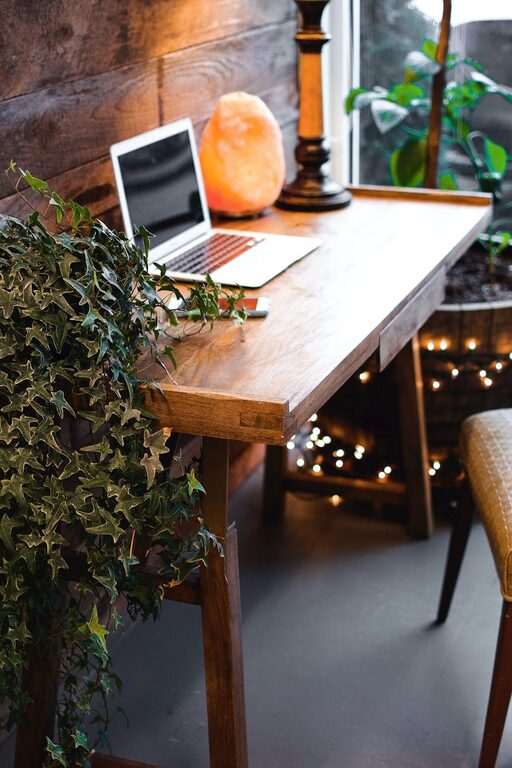
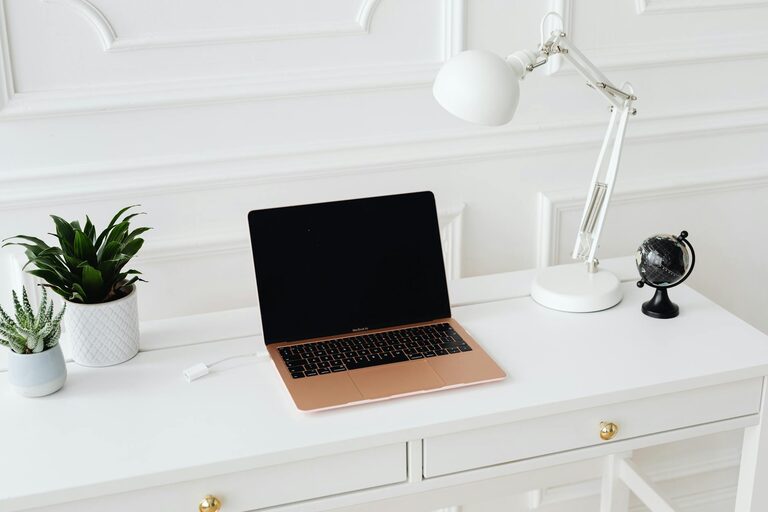
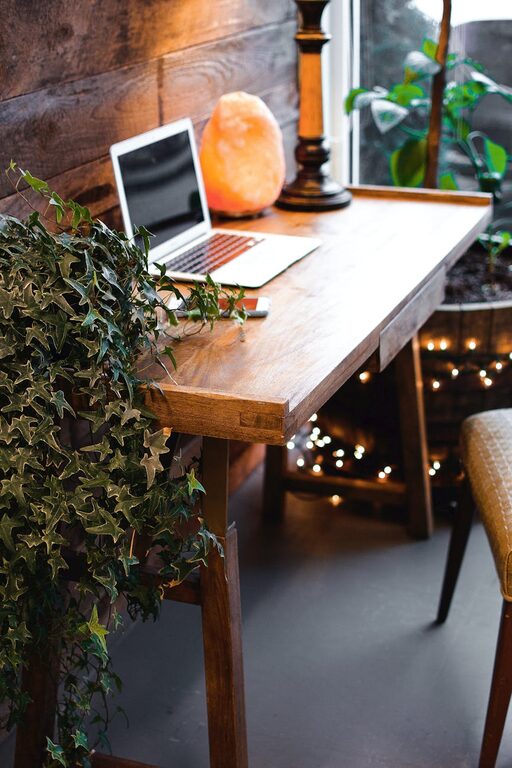
– Houseplants: Plants improve air quality and add vitality. Choose low-maintenance varieties like snake plants, pothos, or succulents.
– Natural light: Open curtains and blinds during the day to let sunlight in, which boosts mood and energy.
– Natural materials: Use wood, stone, or cotton décor and furniture to introduce organic textures.
Even small touches of nature can make your home feel more grounded and relaxed.
Create a Dedicated Relaxation Area
Having a specific spot in your home just for relaxing can encourage you to take breaks and recharge.
– Choose a quiet corner: It could be a cozy chair, a window nook, or a part of your bedroom.
– Add comfort: Include soft cushions, a warm blanket, and good lighting.
– Make it yours: Customize with books, candles, or calming objects that help you unwind.
Use this space daily for meditation, reading, or simply sitting quietly.
Use Aromatherapy for Calmness
Aromas can deeply influence emotions and promote relaxation.
– Essential oils: Use a diffuser with calming scents like lavender, chamomile, or eucalyptus.
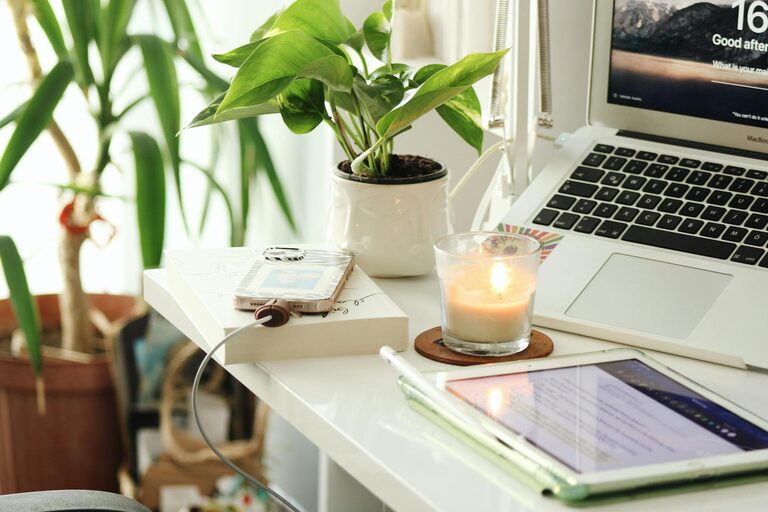
– Candles: Light unscented or naturally scented candles to add a gentle glow and fragrance.
– Natural air fresheners: Boil water with herbs, citrus peels, or spices for a fresh and soothing scent.
Incorporating pleasant aromas can create a serene atmosphere instantly.
Manage Noise Levels
Noise can disrupt peace and cause stress. Managing sound is key to a relaxing home.
– Use soft materials: Rugs, curtains, and cushions help absorb unwanted noise.
– Play calming music: Soft instrumental, nature sounds, or white noise can mask disruptive sounds.
– Turn off electronics: Minimize sudden or loud noises by silencing phones and TVs when you’re relaxing.
A quieter home helps your mind unwind and improves focus.
Prioritize Comfortable Sleep Spaces
Sleep quality is closely tied to overall well-being. Make your bedroom a relaxing retreat by focusing on comfort and simplicity.
– Invest in good bedding: Choose comfortable pillows and mattresses suited to your needs.
– Keep it cool and dark: Set your room’s temperature lower and use blackout curtains for uninterrupted sleep.
– Limit electronics: Remove or turn off devices at least an hour before bedtime to reduce blue light exposure.
Better sleep supports your mind and body in coping with daily stress.
Practice Mindfulness and Routine
A relaxing environment benefits from mindful habits that encourage calmness.
– Daily routines: Create relaxing rituals such as stretching, journaling, or a warm bath in the evening.
– Mindful moments: Take brief mindful breaks throughout the day to center your thoughts.
– Limit screen time: Designate no-screen zones or times to reduce overstimulation.
When your home space and routines work together, it becomes easier to nurture your well-being.
—
Creating a relaxing home environment doesn’t require a major overhaul. Simple steps like decluttering, adding natural touches, and fostering comforting habits can transform your living space into a sanctuary of calm. By making your home a place where you feel peaceful and recharged, you support your mental and emotional health every day. Start small, be consistent, and enjoy the benefits of a soothing home atmosphere.
About the Author