
Creating a productive home office environment is essential for anyone working remotely or managing tasks from home. A well-designed workspace can improve focus, reduce stress, and boost overall efficiency. Whether you have a dedicated room or just a corner in your living space, these tips will help you create an environment that supports your best work.
Choose the Right Location
Selecting the ideal spot for your home office is the first step. Look for a quiet area away from high-traffic zones, such as living rooms or kitchens. If space is limited, pick a corner that feels separate from daily distractions.
Consider Natural Light
Natural light can enhance mood and energy levels. Try to set up near a window to benefit from daylight. If this isn’t possible, invest in good quality artificial lighting that mimics natural light without causing glare on your screen.
Invest in Comfortable Furniture
Your comfort directly affects your productivity. Choose an ergonomic chair that supports your posture, and a desk at an appropriate height to avoid strain. If you spend long hours sitting, consider a sit-stand desk to alternate positions throughout the day.
Organize with Functional Storage
Clutter can be distracting. Use shelves, filing cabinets, or drawer units to keep documents and supplies organized. Label your storage to make it easier to find things quickly and maintain a tidy space.
Minimize Distractions
Distracting noises and visual clutter can derail your focus. Use noise-cancelling headphones if you can’t avoid household sounds. Keep your workspace clear except for essential items. You might also try a white noise machine or soft background music to mask disturbances.
Set Up Technology Efficiently
Ensure your home office has reliable internet and the necessary equipment, such as a computer, printer, and chargers. Organize cables with clips or trays to prevent tangling. Position your monitor at eye level to reduce neck strain, and use an external keyboard and mouse for better ergonomics.
Create a Personalized Ambiance
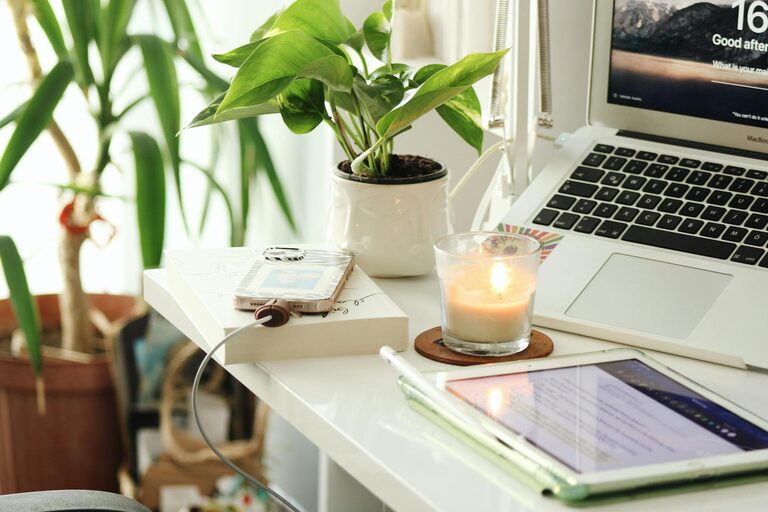
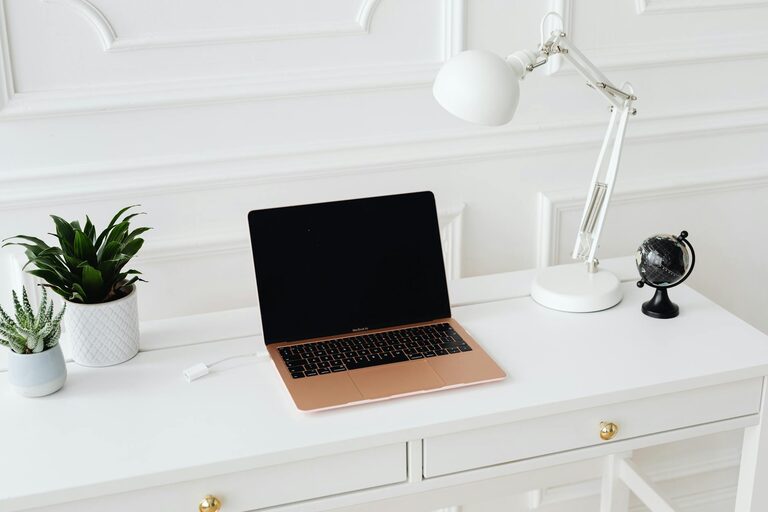
Adding personal touches can make your workspace inviting. Plants, artwork, or photos can boost your mood and creativity. However, avoid overcrowding; keep decorations minimal to maintain focus.
Establish a Routine
Consistency helps separate work from home life. Set regular work hours and take breaks to refresh your mind. Inform family or roommates of your schedule to reduce interruptions.
Take Scheduled Breaks
Short breaks improve concentration and prevent burnout. Step away from your desk, stretch, or take a brief walk. Using techniques like the Pomodoro method—working for 25 minutes followed by a 5-minute break—can enhance productivity.
Maintain Good Air Quality and Temperature
A comfortable environment supports concentration. Open windows for fresh air when possible, and use a fan or heater to keep the temperature balanced. Avoid stuffy or overly warm rooms, which can cause drowsiness.
Use Color Wisely
Colors can influence mood and productivity. Soft blue or green tones promote calm and focus, while brighter colors like yellow may inspire creativity. Choose colors that suit your work style and make the space pleasant.
Keep Your Workspace Clean
Regular cleaning prevents dust buildup and creates a healthier environment. Wipe surfaces, vacuum floors, and clean screens frequently. A clean office also fosters a sense of order and professionalism.
Final Thoughts
Designing a productive home office environment is about balancing comfort, organization, and personal style. By choosing the right location, investing in ergonomic furniture, minimizing distractions, and maintaining your routine, you can create a space that supports your best work every day. With these tips, your home office can become a place where focus and creativity thrive.
About the Author