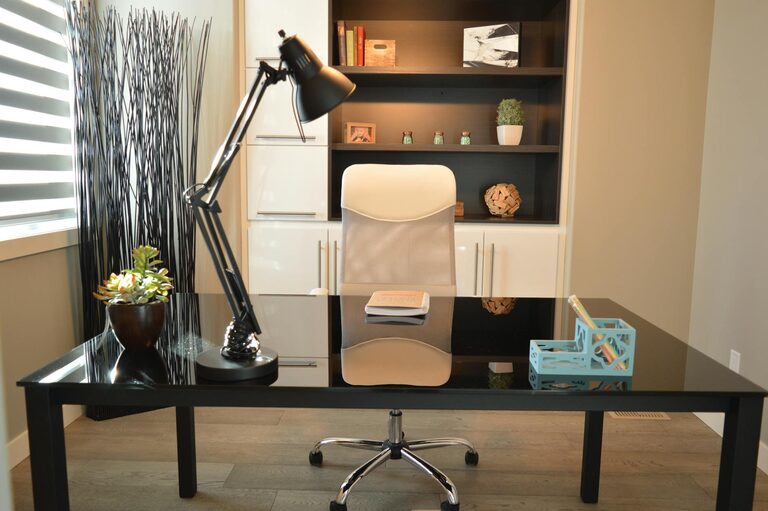
Creating a relaxing home workspace is essential for anyone working remotely or spending significant time at a desk. A well-designed environment helps reduce stress, improve focus, and maintain overall well-being. Whether you have a dedicated room or a corner in your living area, these tips will guide you to create a comfortable and calming workspace.
Why a Relaxing Workspace Matters
A workspace that feels peaceful and organized can positively impact how you approach your workday. When your surroundings reduce distractions and promote calmness, it becomes easier to concentrate and stay motivated. This leads to better work quality and a healthier attitude toward your daily tasks.
Choose the Right Location
Selecting the right spot in your home is the first step. Consider these factors:
– Natural light: Aim for a location with ample natural light, which can elevate mood and reduce eye strain.
– Quietness: Pick a quiet corner away from household noise to minimize interruptions.
– Space: Make sure there’s enough room for your desk, chair, and any equipment you need.
If space is limited, prioritize a place that can be dedicated solely to work, even if it’s just a small nook.
Invest in Comfortable Furniture
Comfort is key to creating a relaxing workspace. Spending long hours at an uncomfortable chair or desk can cause physical strain and frustration.
– Ergonomic chair: Choose a chair that supports your posture, with adjustable height and lumbar support.
– Appropriate desk: Your desk should fit your work style—whether it’s a traditional desk, a standing desk, or a compact table.
– Footrest and accessories: If you feel your feet don’t rest flat on the floor, add a footrest for better alignment.
Comfortable furniture helps you stay relaxed and focused, reducing tension in your body over time.
Declutter and Organize
A cluttered desk can distract your mind. Keeping your workspace tidy promotes a sense of calm.
– Use storage solutions: Baskets, file organizers, and drawers help keep papers and supplies in order.
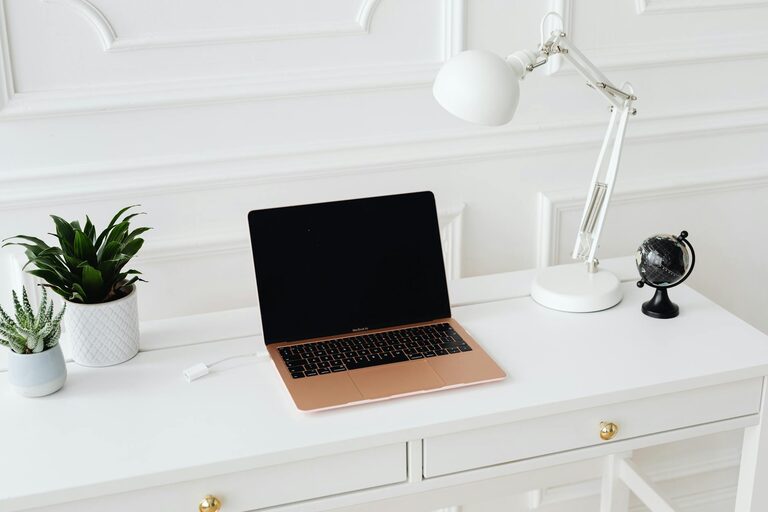
– Limit items on your desk: Keep only essentials on your desk to maintain a clean look.
– Regular cleaning: Make tidying your workspace a daily or weekly habit.
An organized space means you spend less time searching for things and more time working efficiently.
Personalize Your Space Thoughtfully
Adding personal touches to your workspace can make it more inviting, but avoid overcrowding.
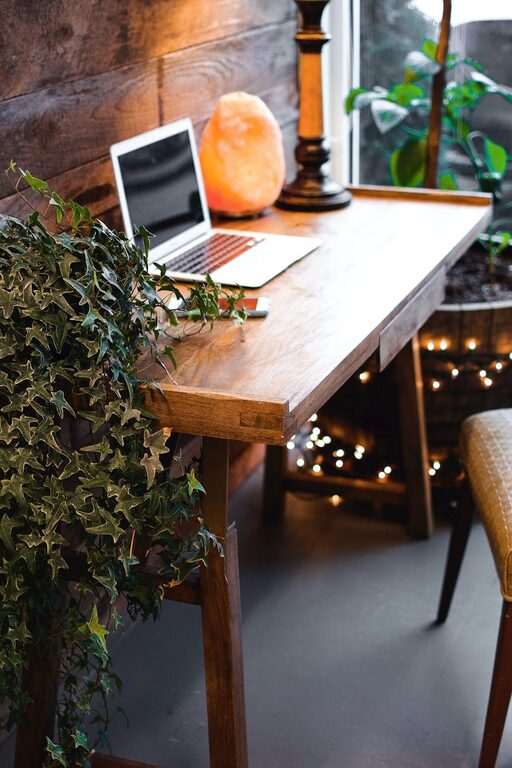
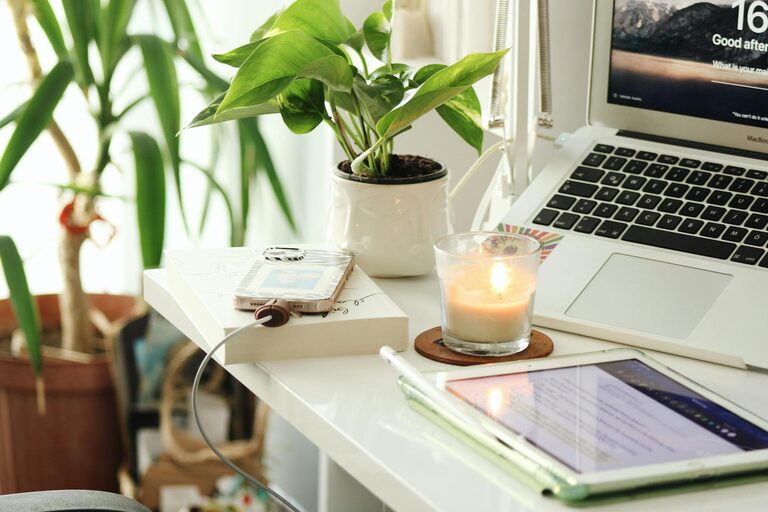
– Plants: Small indoor plants improve air quality and add a touch of nature.
– Artwork or photos: Choose images that inspire or relax you.
– Soft lighting: Consider a desk lamp with adjustable brightness or warm-colored bulbs.
Personalizing your space makes it feel more welcoming and encourages you to spend time there.
Control Noise and Distractions
Managing noise is important to maintain focus and relaxation.
– Noise-canceling headphones: These are helpful if you can’t control ambient sounds.
– White noise machines: Gentle background sounds like rain or soft music can mask distracting noises.
– Set boundaries: Communicate your work hours with family or roommates to minimize interruptions.
Creating a quiet environment helps you concentrate and eases stress during busy periods.
Mind Your Technology Setup
Technology plays a big role in your workspace. An efficient setup can reduce frustration.
– Cable management: Use clips or sleeves to organize cords and keep them out of sight.
– Screen height: Position your monitor so the top of the screen is at eye level, helping prevent neck strain.
– Keyboard and mouse placement: Keep them within comfortable reach to encourage good posture.
A tidy and ergonomic tech setup enhances both comfort and productivity.
Incorporate Relaxation Techniques
Adding moments of relaxation throughout your workday can improve your overall experience.
– Take short breaks: Stand up, stretch, or take a quick walk every hour to refresh your mind.
– Breathing exercises: Practice deep breathing during stressful moments.
– Keep a water bottle nearby: Staying hydrated supports focus and well-being.
Including these habits in your routine contributes to a healthier, more relaxed workspace.
Maximize Natural Elements
Natural elements can create a soothing atmosphere.
– Fresh air: Open windows periodically to improve air quality.
– Daylight: Position your desk near a window when possible to benefit from natural light.
– Nature sounds: Play recordings of nature sounds to enhance relaxation.
Connecting with nature promotes calmness and helps reduce stress.
Summary
Designing a relaxing home workspace is about combining comfort, organization, and personal touches in a way that supports your work style. Choose a quiet location with good lighting, invest in ergonomic furniture, and keep your space tidy. Adding plants, managing noise, and incorporating short relaxation breaks can make your workspace a pleasant place to spend your day. With these tips, you can create an environment that not only boosts productivity but also enhances your well-being.
About the Author